




ISO 27001 vs SOC 2: Which One Does Your Company Actually Need?
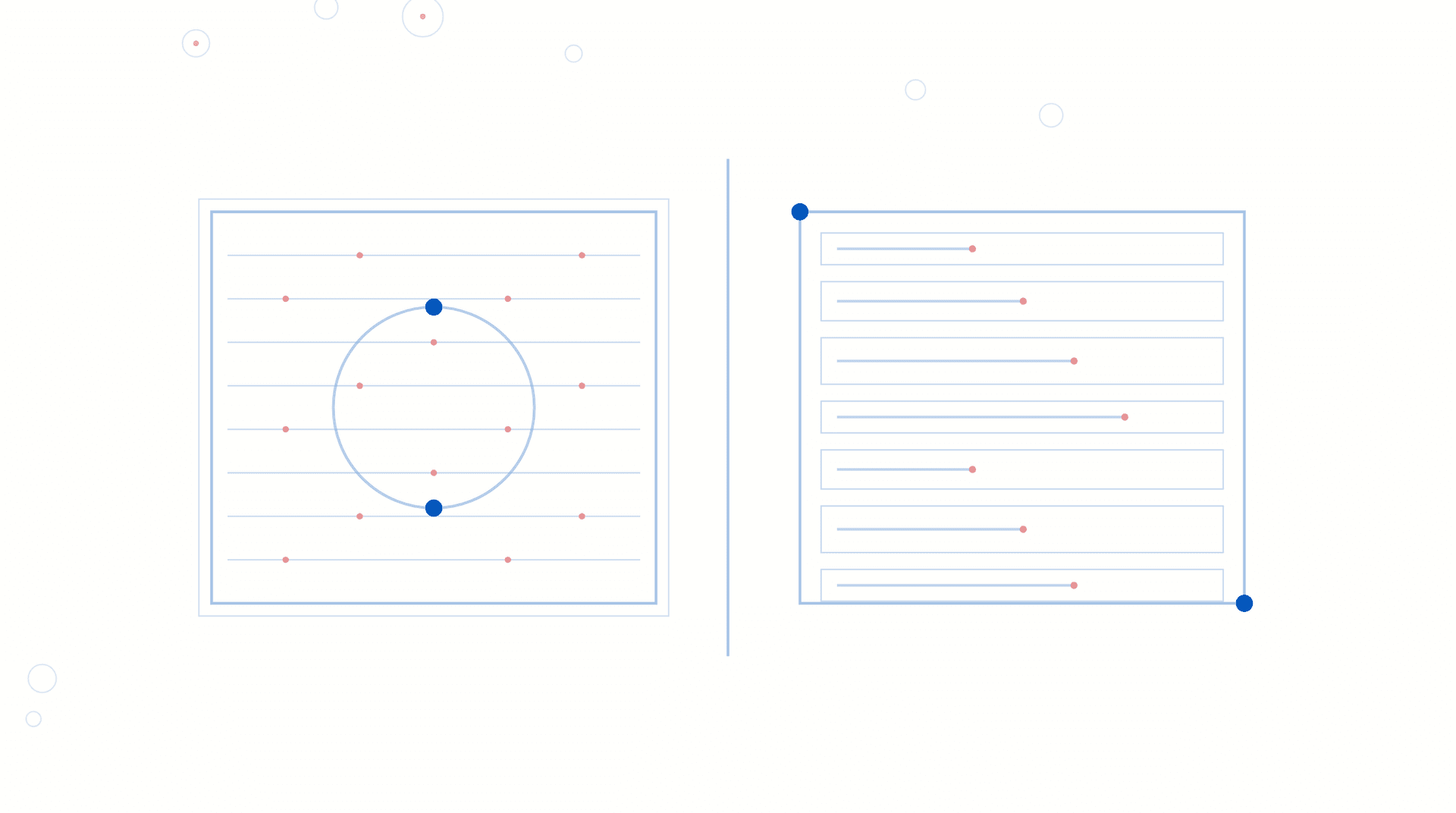
The direct answer: choose SOC 2 if your revenue depends on US enterprise buyers whose security reviewers want a report they can read. Choose ISO 27001 if your buyers are international, particularly European, and their procurement teams want a certificate they can verify. ISO 27001 certifies a management system against a published standard. SOC 2 is an attestation in which a CPA firm gives an opinion on controls you defined yourself. If you sell into both markets you will eventually hold both, and the correct approach is one control set with two audits, not two separate programs.
Status verified August 27, 2026. This page is updated when the regulatory status changes.
Most comparisons of these two frameworks stop at a feature table and leave the buyer no better off. The decision is simpler than the tables suggest, because it is not really a decision about security. It is a decision about which document unblocks your next deal, and the two frameworks produce fundamentally different documents.
A certifiable management system versus an attestation report
ISO 27001 is a certifiable standard. An accredited certification body audits your Information Security Management System, the ISMS, against the requirements clauses and the Annex A controls you selected. Pass, and you receive a certificate with an expiry date, maintained through surveillance audits and periodic recertification. A procurement analyst can look at the certificate, check the accreditation body behind it, and move on. That verifiability is the entire commercial value.
SOC 2 produces no certificate. A licensed CPA firm examines the controls you described against the AICPA Trust Services Criteria and issues a report: an opinion, a description of your system, and in a Type II report the tests performed and their results, including any exceptions. There is nothing external to verify. The buyer reads the report, which is why SOC 2 reports circulate under NDA and why reviewers treat them as evidence rather than as a badge. If you have not settled the Type I versus Type II question yet, start with our breakdown of SOC 2 Type 2 versus Type 1, because only one of them carries weight in an enterprise security review.
Two consequences follow from that structural difference. First, SOC 2 scope is largely yours to define. You choose which trust categories beyond security to include, and you write the system description the auditor tests against. That flexibility is real, and it also means two SOC 2 reports can describe very different levels of rigor. ISO 27001 scope is also yours to set, but the requirements clauses are not negotiable. Second, the burden of proof differs. ISO 27001 asks you to demonstrate that you run a management system: defined leadership responsibility, a risk methodology, security objectives, internal audit, management review, and corrective action. SOC 2 asks you to demonstrate that specific controls operated over a period. A company can pass a SOC 2 audit with a thin management layer. It cannot pass an ISO 27001 audit that way.
Who asks for which
In North America, SOC 2 Type II is the default. It is what enterprise procurement, security questionnaires, and vendor onboarding portals expect from a B2B software or services company, and its reach extends further than most founders realize. Texas TX-RAMP, for example, is reported to recognize a Fast Track path for vendors backed by a SOC 2 Type II report, alongside PCI DSS and HITRUST, so a report you already hold can accelerate entry into the state government market rather than sitting idle after the deal that prompted it.
Outside the US, and inside multinationals with a corporate standard written against ISO, the certificate is what gets asked for. ISO 27001 also travels better as a foundation. The ISO management system standards share a common structure, which means ISO 42001 for AI governance and the standalone ISO 27701:2025 privacy standard plug into an existing ISMS instead of requiring a parallel build. If you expect AI governance or privacy certification questions within two years, that compounding matters.
One caveat for defense suppliers, because the question comes up constantly: neither framework buys you CMMC reciprocity. There is still no formal reciprocity mechanism in the CMMC program for ISO 27001 or SOC 2, and the remaining gap is CUI-specific rather than a question of audit rigor. We work through exactly what carries over and what does not in does ISO 27001 count toward CMMC.
The comparison that matters
| Question | ISO 27001 | SOC 2 |
|---|---|---|
| What you get | A certificate with an expiry date | A report with an auditor opinion |
| Who issues it | An accredited certification body | A licensed CPA firm |
| Who asks for it | International and EU buyers, ISO-standardized corporates | US enterprise buyers and security reviewers |
| What is audited | The management system plus selected Annex A controls | Controls you defined, against the Trust Services Criteria |
| Can a buyer verify it independently | Yes, through the certification body | No, they read the report, usually under NDA |
| Current baseline | ISO 27001:2022 plus Amendment 1:2024 | 2017 criteria, revised points of focus from September 2023 |
| What it extends into | ISO 42001, ISO 27701:2025, shared management structure | Additional trust categories, TX-RAMP Fast Track |
Not sure which one your pipeline is actually asking for?
An advisor can review your open deals and questionnaires against both frameworks and recommend a sequence before you commit budget.
Where each baseline stands in 2026
This is where a lot of published guidance is now wrong, and it costs companies real money.
ISO 27001 moved and the window closed. The transition from ISO 27001:2013 to ISO 27001:2022 ended on October 31, 2025, and any certificate still written against the 2013 version is invalid. This is not a grace-period situation. Companies that missed it are not transitioning, they are recertifying, and a buyer who checks the certificate will find out before you do. If your certificate references 2013, treat it as a live sales risk rather than a compliance backlog item.
Amendment 1:2024 is the detail people skip. The current baseline is ISO 27001:2022 plus Amendment 1:2024, published in February 2024, which inserted climate action considerations into Clauses 4.1 and 4.2. In practice that means your context analysis and your interested-party analysis need to show that climate was considered as a relevant issue. It is a small piece of documentation, it is cheap to do, and surveillance auditors are now checking for it. Failing on it is an avoidable finding.
The rest of the family is moving, the core standard is not. ISO/IEC 27000:2026, the vocabulary and foundations document, was published on July 3, 2026 as the sixth edition, which signals progressive alignment across the family. No new full revision of ISO 27001 or ISO 27002 has been announced; ISO 27002:2022 remains current. Separately, ISO 27701:2025 was published as a standalone certifiable privacy standard, with a transition window reported through October 2028. Treat that last date as reported rather than confirmed.
SOC 2 did not change. The AICPA has not issued new Trust Services Criteria for 2025 or 2026. The authoritative framework remains the 2017 criteria with the revised points of focus published in September 2023, which increased emphasis on data management, resilience, and vendor risk without altering the criteria. If a vendor is selling you a remediation project on the premise that SOC 2 changed this year, that premise is false. What has genuinely tightened is auditor practice: multi-factor authentication coverage, least privilege, API security, and the quality of access reviews now draw scrutiny they did not draw a few years ago. Our SOC 2 compliance guide for 2026 covers that drift in detail.
Running both on one control set
Companies that treat these as two projects pay for the same work twice. The overlap at the control layer is substantial: access management, change management, logging and monitoring, vendor risk, encryption, and incident response produce evidence that satisfies both. Build one risk register, one control set, and one evidence repository, then produce two audit packages from it.
Budget separately for the parts that genuinely do not overlap, because those are where a combined program slips. On the ISO side, the management system clauses have no SOC 2 equivalent: internal audit, management review, the Statement of Applicability, and documented risk treatment. On the SOC 2 side, the system description and the specific trust categories you commit to have no ISO equivalent, and writing that description badly is one of the more common ways a first audit goes sideways. Sequence by whichever your next quarter of deals requires, then add the second on top of the same foundation.
The operational question underneath both is whether your evidence is produced continuously or reconstructed before each audit. That is what separates a program you can maintain from one you rebuild annually, and it is the axis we use in our comparison of GRC platforms with expert advisory support.
What to watch next
Now: confirm your ISO certificate references the 2022 version. Anything against 2013 has been invalid since October 31, 2025. Confirm your context and interested-party documentation addresses climate considerations under Amendment 1:2024, because surveillance auditors are checking.
Through the rest of 2026: no new revision of ISO 27001 or ISO 27002 has been announced as of August 27, 2026, but the publication of ISO/IEC 27000:2026 on July 3, 2026 is the kind of family-alignment signal that usually precedes revision activity. Watch for announcements rather than assuming stability.
Through October 2028: the reported transition window for ISO 27701:2025 for organizations pursuing standalone privacy certification. Verify the date with your certification body before planning around it.
On the SOC 2 side: watch auditor expectations, not the criteria. As of August 27, 2026 no new Trust Services Criteria have been issued, and the September 2023 revised points of focus remain current guidance. The changes that will affect your next report come from how firms interpret existing criteria.
If you are deciding between the two, or unwinding a lapsed certificate, our compliance services and SOC 2 readiness solution cover scoping through audit support, and an advisor will review your buyer requirements with you before you commit to a path. Talk to a Z Cyber advisor and bring the last three security questionnaires you received. The answer is usually in them.
Frequently Asked Questions
ISO 27001 or SOC 2: which one do I actually need?
Follow your buyers. If your revenue comes from US enterprise customers whose security reviewers read reports, SOC 2 is the default currency in North America. If you sell into Europe or into international corporates whose procurement teams want a verifiable certificate, ISO 27001 is the one they will accept. Companies selling into both markets end up holding both, which is workable because a single control set can feed two different audits.
What is the difference between ISO 27001 and SOC 2?
ISO 27001 is a certifiable standard. An accredited certification body audits your information security management system against published requirements and issues a certificate anyone can verify. SOC 2 is an attestation: a licensed CPA firm examines controls you defined yourself against the AICPA Trust Services Criteria and issues a report with an opinion, a system description, and test results. One produces a badge, the other produces a document your buyer reads.
Did SOC 2 requirements change in 2026?
No. The AICPA has not issued new Trust Services Criteria for 2025 or 2026. The authoritative framework is still the 2017 Trust Services Criteria with the revised points of focus published in September 2023, which added emphasis on data management, resilience, and vendor risk without changing the criteria themselves. What has shifted is auditor practice: expectations around multi-factor authentication, least privilege, API security, and access reviews have tightened without any criteria change.
Is my ISO 27001:2013 certificate still valid?
No. The three-year transition from ISO 27001:2013 to ISO 27001:2022 closed on October 31, 2025, and any certificate still issued against the 2013 version is now invalid. Companies that missed the window need to implement the 2022 requirements and go through certification again rather than transition. The current baseline is ISO 27001:2022 plus Amendment 1:2024, which added climate action considerations to Clauses 4.1 and 4.2.
Can I do ISO 27001 and SOC 2 at the same time?
Yes, and it is usually cheaper than sequencing them years apart. The two overlap substantially at the control layer: access management, change management, logging, vendor risk, and incident response satisfy both. Run one risk register and one control set, then produce two evidence packages. Budget separately for the parts that do not overlap, namely the ISO management system clauses such as internal audit, management review, and the Statement of Applicability.
Subscribe for Updates
Get cybersecurity insights delivered to your inbox.