




How to Present Cybersecurity Risk to Your Board
Eighty-three percent of CISOs now participate in board meetings at least some of the time, according to the Splunk CISO Report 2025. The problem isn't access; it's translation. Most board members are not security experts. More than 90% of non-executive directors lack confidence in cybersecurity investment value, according to Gartner's 2026 Board of Directors Survey, and the same survey found that 90%+ of directors view cyber risk as a direct threat to shareholder value. CISOs who show up with a slide deck full of technical indicators are not answering the question the board is actually asking: Are we at risk? Are we getting better or worse? Are we spending the right amount? This guide gives you the framework to answer those three questions clearly, and introduces the tool that generates the report in one click.
Why Cybersecurity Board Reporting Fails
The typical approach to board cybersecurity reporting falls into one of two failure modes. The first is technical overload: a CISO presents vulnerability counts, patch percentages, phishing simulation results, and mean time to respond metrics. Boards cannot contextualize these numbers without significant security literacy they don't have and shouldn't need.
The second failure mode is empty assurance: "We're monitoring the situation," "Our controls are in place," "We haven't had a material incident." These statements tell the board nothing about actual risk posture, trend direction, or whether the organization is ahead of or behind the threat environment.
Both approaches leave the board without the information they need to make decisions about budget, about risk tolerance, about incident response preparedness. The SEC's cybersecurity disclosure rules, which require material cyber incident disclosure within four business days via Form 8-K, mean boards can no longer treat cybersecurity as a technical matter they delegate entirely to the security team.
Looking for expert cybersecurity guidance? Z Cyber's advisory team can help.
Learn MoreThe Board Cybersecurity Reporting Framework
Effective cybersecurity board reporting answers three questions in plain language:
- What is our current risk posture?: A quantified risk score, not a color. Where does the organization stand against its target state, across the frameworks it operates under?
- What is the trend?: Is posture improving, stable, or deteriorating? What changed since the last report and why?
- Where are the residual risks?: What are the top open risks, what is their business impact if realized, and what is being done about each?
Each of these questions has a corresponding reporting element that should appear in every board update, quarterly at minimum, per guidance from Deloitte's Board Reporting Guide.
Section 1: Risk Posture Score
Your board report should open with a single, quantified risk posture score. Not High/Medium/Low, but a numerical score against a defined scale (e.g., NIST CSF maturity tiers 1–4, or a 0–100 program maturity index). This gives the board a baseline they can track over time. Present it alongside the previous period's score so trend is immediately visible.
Include your framework alignment status: what percentage of NIST CSF controls are implemented? What is your SOC 2 readiness score? What is your NIST 800-171 compliance status? Boards respond to numbers. Give them numbers.
Section 2: Key Risk Indicators
Key Risk Indicators (KRIs) are the metrics that signal movement in your risk posture, before that movement becomes a breach. Five KRIs belong in every board report:
- Mean Time to Detect (MTTD): how quickly the organization identifies a security incident. The 2025 IBM benchmark is 181 days to identify.
- Mean Time to Contain (MTTC): how quickly containment occurs after detection. 2025 benchmark: 60 days to contain, per the IBM X-Force 2025 Report.
- Third-party risk exposure: what percentage of critical vendors have completed security assessments. The share of breaches involving a third party doubled year over year in the 2025 DBIR, per the Verizon 2025 DBIR.
- Critical control coverage rate: what percentage of your highest-priority controls from the Cyber Blueprint are implemented.
- Open critical findings: the count and aging of unresolved high/critical risk register items.
See our companion post on 5 KPIs every board needs on their cyber risk dashboard for a deeper treatment of each metric.
Section 3: Top Risk Register Items
The board does not need to see every item in your risk register. They need to see the top 5 to 10 highest-severity open risks, with three pieces of information for each: what the risk is (in business terms, not technical terms), what the potential business impact is if it materializes, and what the mitigation status is.
Example of effective risk register language for a board audience:
- Technical framing (ineffective): "CVE-2024-XXXX, unpatched RCE vulnerability in legacy ERP, CVSS 9.8, remediation pending."
- Business framing (effective): "Unpatched critical vulnerability in our financial system could allow unauthorized access to customer financial records. Estimated business impact: regulatory fines + breach notification costs in the $2–5M range. Patch scheduled for Q2; interim network segmentation controls in place."
Section 4: Program Progress Against the Cyber Blueprint
Every board report should show progress against the organization's Cyber Blueprint: the sequenced security roadmap that moves the organization from its current state toward its target state. This answers the most important strategic question: "Are we executing on our security plan?"
Show which milestones are complete, which are in progress, and which are delayed, and why. This gives the board a governance-level view of whether the security function is executing as planned, and provides early warning of resource constraints before they become coverage gaps.
See Glance Board Reports
See how Z Cyber's Glance platform delivers this.
See Glance Board Reports →The Board Report Generator: One Click, Print-Ready
Building a board-quality cybersecurity report from scratch takes four to eight hours for a security analyst who does it well. Most security teams don't have that analyst, and most CISOs shouldn't be spending their preparation time formatting slides.
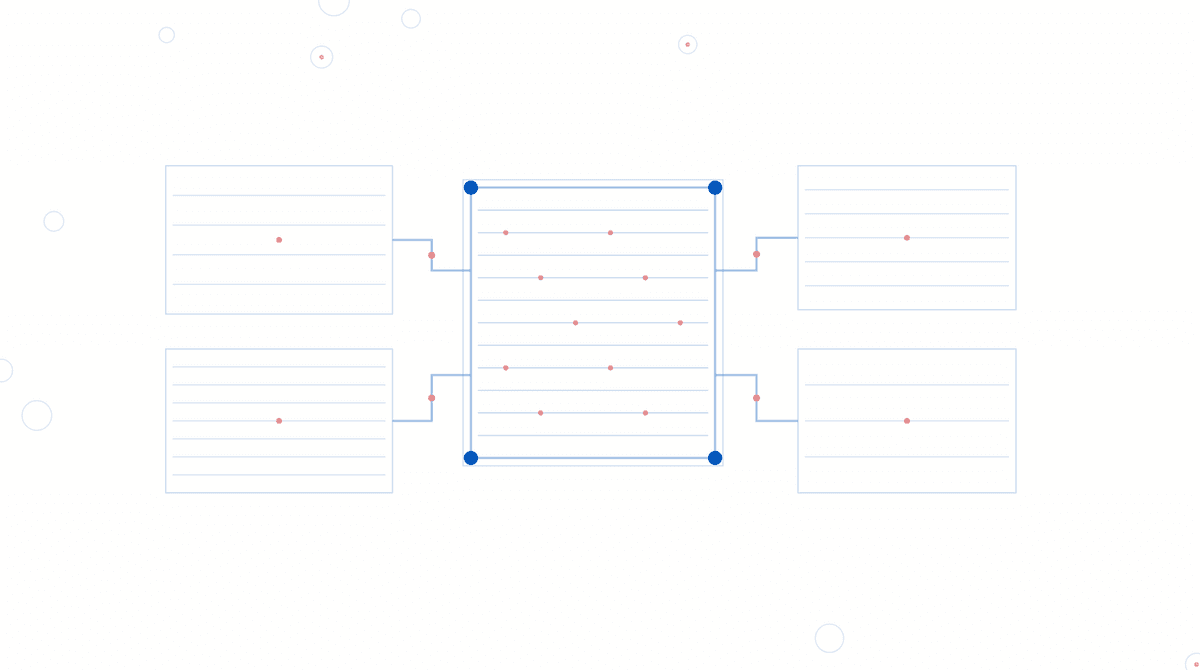
Z Cyber's Glance platform includes a Board Report Generator that produces a frozen snapshot of your current risk posture (quantified risk scores, KRI trends, risk register summary, and Cyber Blueprint progress) in a single click. The output is print-ready and board-formatted. No deck-building. No data reconciliation. The report reflects live data from the risk register, the framework scorecards, and the continuous monitoring layer, all captured at a single moment in time so the record is auditable.
When your board asks "What does our cyber posture look like?" this goes to your board. One click. Frozen snapshot, print-ready, no deck-building required.
Download our free CISO board report template to see the structure in detail, or explore how Glance generates it automatically.
Common Board Questions and How to Answer Them
Boards tend to ask the same questions, regardless of industry. Here's how a well-structured board report answers each:
- "Are we more or less secure than last quarter?": Answered by the posture score trend line. If the score improved, explain what drove it. If it declined, explain why and what's being done.
- "How does our posture compare to peers?": Framework scorecard benchmarks against NIST CSF, SOC 2, or industry-specific standards provide a relative reference point.
- "What would a breach cost us?": The risk register quantifies potential business impact for each high-severity risk, enabling a concrete answer rather than speculation. The average US data breach cost $10.22 million in 2025, per IBM.
- "Do we have cyber insurance, and is it adequate?": Insurance coverage status and policy limits should appear in the board report alongside the risk register, showing whether insurance coverage is calibrated to actual risk exposure.
- "What are we spending on security and is it enough?" Program investment vs. risk reduction: the Cyber Blueprint progress view answers this at a strategic level.
Conclusion
Effective cybersecurity board reporting is not about presenting more data. It's about presenting the right data in terms that enable decision-making. Quantified risk scores, KRI trends, risk register summaries in business language, and Cyber Blueprint progress give boards exactly what they need. Z Cyber's Glance platform generates this report in one click, replacing hours of manual preparation with a frozen, print-ready snapshot that travels directly from the platform to the boardroom.
Ready to strengthen your security posture?
Talk to Z Cyber's advisory team about building your Cyber Blueprint.
Frequently Asked Questions
What should a CISO board report include?
An effective CISO board report includes four sections: (1) a quantified risk posture score with trend vs. prior period, (2) key risk indicators like Mean Time to Detect, third-party risk exposure, and critical control coverage, (3) top risk register items in business-impact language, and (4) program progress against the security roadmap (Cyber Blueprint). The report should answer whether risk is improving or worsening and where the highest residual risks sit.
How often should cybersecurity be reported to the board?
Boards should receive cybersecurity updates at least quarterly, per Deloitte's board reporting guidance. Organizations subject to SEC disclosure rules or with active high-severity risks should consider monthly executive summaries, with full board reporting quarterly. Post-incident briefings should occur within days, not at the next scheduled board meeting.
How do I explain cybersecurity risk to non-technical board members?
Translate technical findings into business impact language. Instead of citing CVE scores or patch percentages, describe risks in terms of potential financial exposure, regulatory penalty risk, and operational disruption scenarios. Quantified risk scores (e.g., a 0-100 program maturity index) and trend lines are more actionable for boards than technical indicators.
What are the most important cybersecurity KPIs for board reporting?
The five most board-relevant KPIs are: Mean Time to Detect (MTTD), Mean Time to Contain (MTTC), third-party risk coverage rate, critical control implementation rate, and count/aging of open high-severity risk register items. These metrics translate directly into business risk language and enable trend tracking over time.
Does the SEC require cybersecurity reporting to the board?
The SEC's cybersecurity disclosure rules require public companies to disclose material cybersecurity incidents within four business days on Form 8-K, and to disclose their cybersecurity governance practices, including board oversight, in annual 10-K filings. This makes board-level cybersecurity literacy and formal reporting processes a legal compliance requirement for public companies, not just a governance best practice.
Subscribe for Updates
Get cybersecurity insights delivered to your inbox.